
Should I buy, build, or renovate?
If you’ve ever found yourself asking “Should I buy, build, or renovate?”, you’re not alone. It’s one of the most common questions I hear as an architect.
Every person’s situation is different, but the heart of the question is always the same: How do I create a home that truly fits my life?
There’s no single right answer, but after speaking with trusted general contractors, real estate agents, and past clients, a few clear themes emerged. The right decision depends on how you live, what you value, and how ready you are for the process ahead.
Building New: Freedom and Intentionality
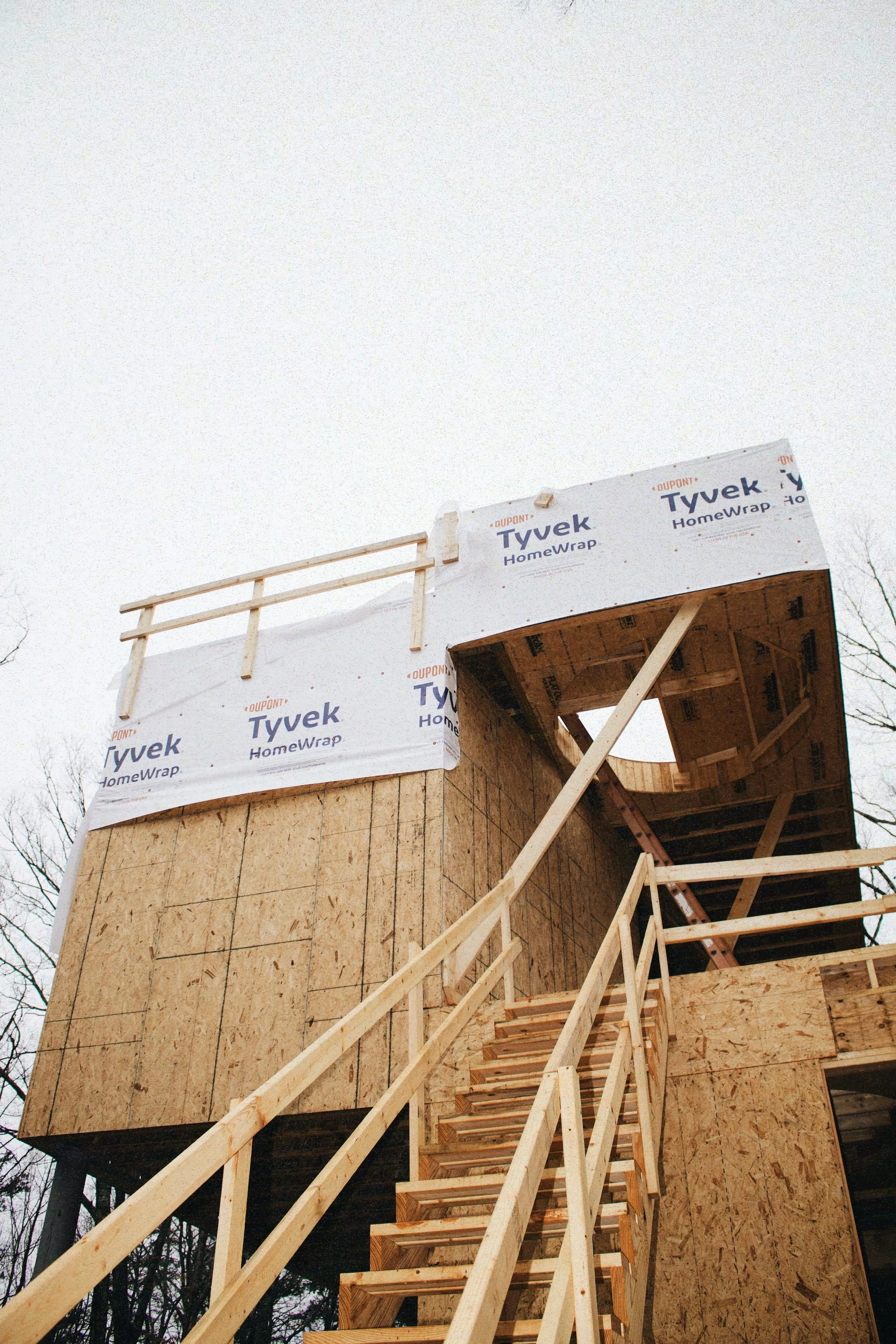
Building from scratch offers something few other options can: total freedom. It’s a chance to create a home designed entirely around the way you live, not the way someone else did before you (if anyone even designed it for them!).
Builder Samuel Cruz of Cruz Built puts it simply:
“With new construction, we get a blank canvas. Starting fresh means we can tailor every detail to your lifestyle, your taste, and your future needs.”
That freedom, however, comes with responsibility—and that responsibility comes in the form of time. From design decisions to construction timelines, every choice is yours. That can be exhilarating… and exhausting.
As an architect and designer, my goal is to make decisions easy for you and present them before we’re under the gun. Even so, decision fatigue is real: there are easily over 400 choices to make in a truly custom new build—each one influencing cost, timeline, and your daily life. These decisions are what transform a house into a home designed just for you. Certain seasons of life allow for more headspace to think through what you really want.
A new-build client shared their experience:
“Building gave us complete freedom in design, but also meant making a lot of decisions. It took a full year of design and another of construction. My best advice: wait until you can build the home you really want.”
If your goal is a long-term investment that changes how you live, building might be right for you. But it’s about more than budget, it’s about time, patience, and a team who can guide you through the hundreds of decisions that shape your home. This is not a process to rush.

Renovating: Keeping What You Love, Changing What You Don’t
If you love your neighborhood, your community, or the character of your home, renovation offers a way to have both— familiarity and transformation.
Nate and Addy Culp, who bought and renovated their 1960s home in Buena Vista, said,
“We were specifically looking for a house that hadn’t been renovated yet because we wanted to make the design choices ourselves. We loved the layout and bones, and working with a GC and designer early on helped us plan the project in phases.”
Addy’s advice:
“Loop in the experts 6–12 months before you think you need to. It saves time, money, and a lot of headaches.”
Builder David Dalholt of Lynnwood Builders added,
“The pros of renovating is they usually have a personal side. Some people love their neighbors or school district or have family nearby, those are great reasons to renovate the home you’re in and turn it into what you want it to be.”
Renovations can completely change how you live, but they also bring surprises. Old systems, existing conditions and windows that would be great if they were just… six inches that way! The realities of living through construction can also stretch patience and budget.
Brett Sipe of QFC Inc. reminded,
“Renovations are rewarding, but not for everyone. Hiring the right contractor—not just the cheapest—can make or break the experience.”
Buying Existing: The Power of Timing and Location
Buying an existing home still has huge advantages, especially if your timeline is tight or your priorities and season of life lean toward convenience and location.
Abby Atwell, Realtor at Atwell Ford Real Estate, explained,
“Buying an existing home is a known product—less headache than building or renovating, with a more immediate and predictable timeline. It’s a great fit for someone who doesn’t want to make a lot of decisions or who has an immediate need.”
At the same time, she encourages clients to think long-term.
“If you already own with a very low interest rate, moving or building now might not make financial sense. Sometimes renovation is the smarter move, especially in established areas with low inventory.”
Keeley Spagnola with Triad’s Finest Real Estate agreed,
“If you love your location, make it work into something you love. It always costs money to move—if you don’t have to, I wouldn’t. I only recommend building if you have a lot of time, money, and patience.”
Annie Jackson Rowell of Berkshire Hathaway added,
“We often suggest a new build when someone just can’t find what they’re looking for in a resale. But if you love your space and just want to update it, renovation is a great way to stay put without losing your low mortgage rate.”

What Everyone Agreed On
After reading through dozens of responses, one thing stood out: there’s no single path that fits everyone. Each option has trade-offs… emotional, financial, and practical.
But every professional and homeowner shared one core piece of wisdom: assemble the right team early.
Whether you’re buying, building, or renovating, looping in your architect, builder, and real estate agent from the start can save enormous time and cost—and lead to a result that truly fits your life.
Builder David Dalholt put it best,
“Assembling the right team is one of the biggest decisions to make on any project. With the right architect and builder, you’ll be guided through the decisions that matter most—and protected from the ones that don’t.”

The Takeaway
So should you buy, build, or renovate? The real answer depends on you.
If you’re dreaming of a home that fully reflects your lifestyle and future, build it.
If you’re rooted in a community you love but need a better fit, renovate it.
If you’re ready for change and value simplicity or speed, buy it.
Whatever you choose, surround yourself with experts who listen, communicate clearly, and care about your vision as much as you do. Because in the end, a home isn’t just a collection of plans and materials… it’s the framework for your life. It either supports how you want to live or hinders it.
If you’re looking for an architect who will help you design a space for just that, I’d love to chat.
